Residential vs commercial construction is a topic every client should understand before starting a project. While both involve building structures, the requirements, design, materials, and regulations differ significantly. Knowing these differences helps clients make informed decisions, manage budgets effectively, and ensure that their construction project—whether a home or a commercial building—is executed smoothly and efficiently.
1. Purpose and Design
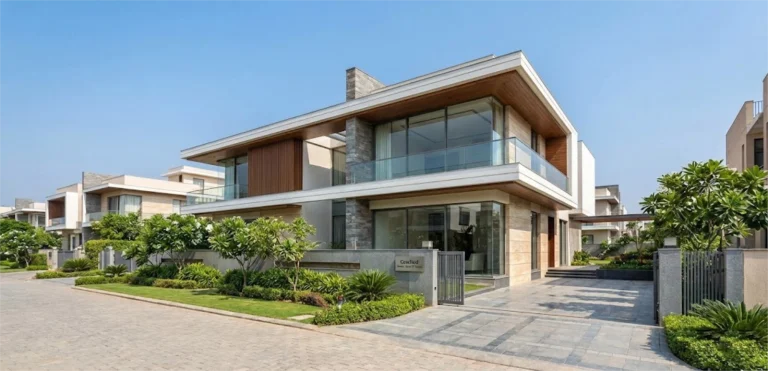
The first and most obvious difference lies in the purpose of the building. Residential construction focuses on creating spaces for living, such as single-family homes, apartments, or villas. The design prioritizes comfort, aesthetics, privacy, and functionality for daily life.
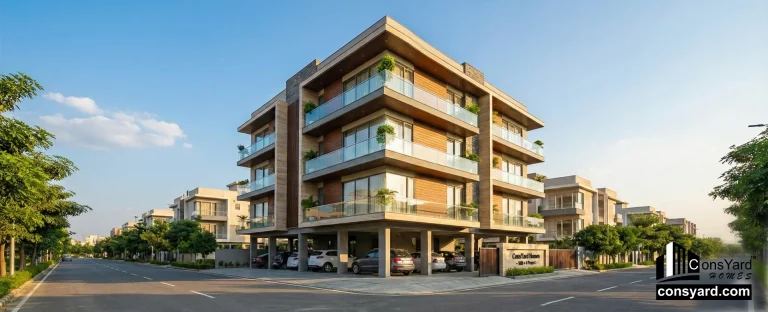
On the other hand, commercial construction involves buildings meant for business purposes—offices, retail stores, warehouses, and hotels. These structures are designed to accommodate large groups, ensure smooth workflow, and often include public amenities such as parking, elevators, and fire exits.
2. Project Scale and Complexity
Residential projects are generally smaller in scale, with fewer floors and simpler layouts. They can often be completed faster and with a smaller team of contractors.
Commercial construction projects, however, tend to be larger, more complex, and require extensive planning. These projects often involve multiple contractors, specialized engineers, and advanced project management techniques to handle tight deadlines and coordination between various departments.
3. Building Codes and Regulations
Both residential and commercial projects are regulated, but commercial buildings face stricter standards. For instance, commercial structures must comply with fire safety regulations, accessibility laws, and energy efficiency standards more rigorously.
Residential projects still require approvals, such as municipal building permits, but the compliance process is generally simpler compared to commercial construction. Partnering with a professional construction company ensures all regulations are properly followed.
4. Material and Construction Methods
Residential construction typically uses conventional materials like bricks, concrete, and wood, with an emphasis on durability and comfort. Interiors are designed to be aesthetically pleasing and tailored to personal preferences.
Commercial construction often relies on steel, reinforced concrete, and modern prefabricated materials. These buildings must withstand higher foot traffic, heavy equipment, and long-term usage, which requires a more robust construction approach.
5. Cost Considerations
Costs vary significantly between residential and commercial construction. Residential projects are usually budgeted for personal or family needs, with flexibility in material selection and finishes.
Commercial projects require a higher investment due to scale, materials, specialized design, and compliance requirements. Additionally, commercial projects often include costs for parking structures, elevators, HVAC systems, and other utilities that are less common in residential projects.
6. Timeline and Project Management
Residential construction projects typically have shorter timelines, often ranging from 6 months to 1 year for a standard home. The project management process is simpler, with fewer stakeholders.
Commercial projects are more time-intensive and can take several years depending on size and complexity. They require rigorous project management, scheduling, and coordination among multiple contractors, architects, and engineers to ensure timely completion.
Why Choose Consyard Homes for Your Construction Needs
Whether you’re planning a residential home or a commercial project, choosing the right construction partner is crucial. Consyard Homes offers a reliable, transparent, and quality-driven approach to construction in Delhi NCR.
With Consyard Homes, clients can expect:
- Clear communication and detailed cost estimates
- High-quality materials and skilled workmanship
- Timely project completion
- End-to-end construction management
Their experienced team guides clients through every stage of the project, ensuring peace of mind and exceptional results.
Contact Consyard Homes
If you’re considering a construction project and want professional guidance, reach out to Consyard Homes today:
📞 Phone: +91 90 90 90 31 33
📧 Email: info@consyard.com
📍 Address: 429P, Sector 50, Behind DPS International School,
Golf Course Extension Road, Gurugram, Haryana 122018